 Oguche
Discover how schools use multimedia and how it helps kids learn more, remain interested, and solve problems in the classroom today.
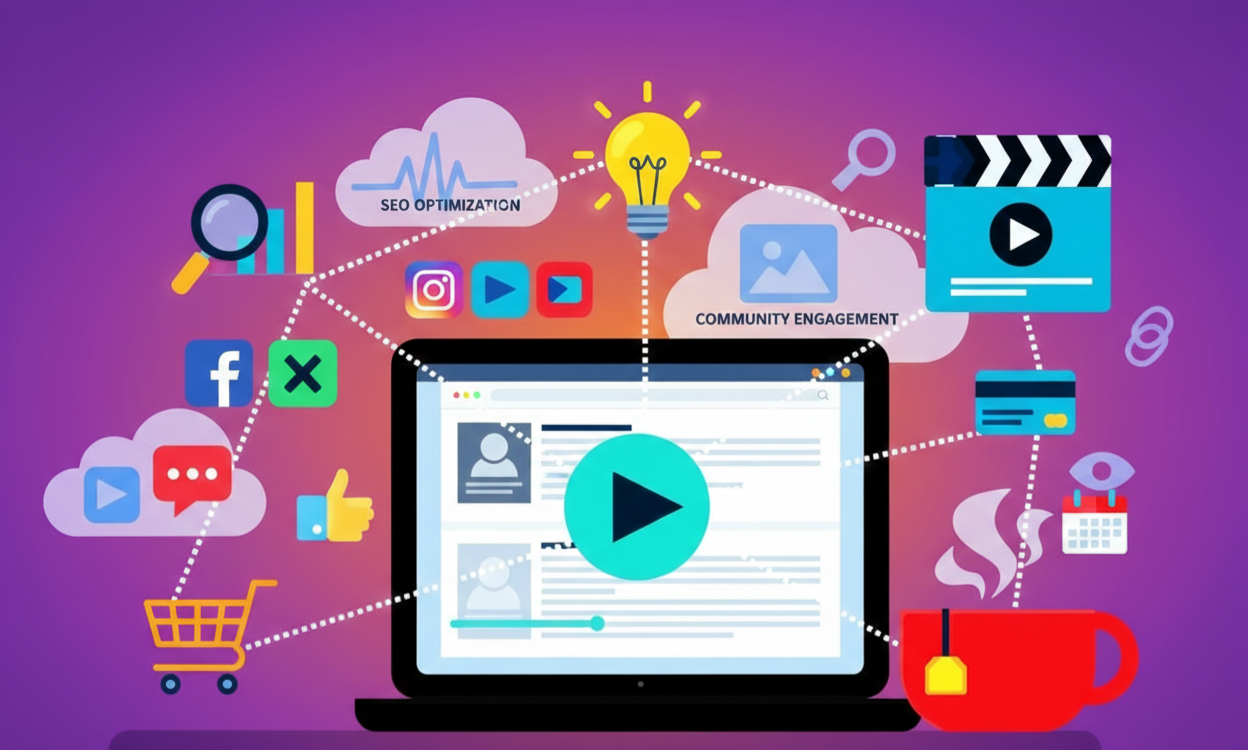
In the previous few decades, education has changed a lot. It no longer uses “chalk-and-talk” methods and now uses technology to teach. One of the biggest developments in this revolution is that schools now use multimedia. Text, pictures, sound, video, animations, and objects that let you interact with them are all examples of multimedia. It makes learning more entertaining and interesting.
Kids see multimedia content every day on their computers, phones, and other online platforms in today’s digital environment. Because of this, modern learners usually do better in lectures that have a lot of graphics and let them interact with the material than in classes that are only text-based. This study examines the impact of multimedia on education and its potential applications in the classroom. It talks about how it may help students and teachers of all levels learn better, deal with typical challenges in the classroom, and help both groups.
For your best online learning platforms:https://samojayedu.com/2026/02/12/best-education-discussion-forums-learn-faster-ask-questions-and-connect-globally/
How to use multimedia in the classroom
Multimedia in education means using more than one type of media to help students learn and teachers educate. Teachers don’t just use books and lectures to teach. They also use videos, slideshows, simulations, podcasts, graphics, and interactive technologies to help students learn.
For instance, a scientific teacher could use animations to show how chemicals react with each other, while a language teacher could utilize audio recordings to help pupils get better at speaking. These tactics help people understand and make sense of things that are hard to understand or are not concrete. Multimedia is also beneficial for people who learn in different ways, like by seeing, listening, or doing. This helps everyone learn better.
How multimedia impacts how students learn
Better memory and understanding
One of the best things about using multimedia in school is that it helps people learn more. When students use visuals, charts, and movies instead of just text, they can learn hard ideas faster. Studies and observations in the classroom show that kids remember things better when they are given both verbal and visual information.
Using more than one sense at a time can also help you recall information for a long time. Students are more likely to remember what they learnt when they see, hear, and touch it. This is especially helpful for math, physics, and technical education, where it can be challenging to understand due of abstract ideas.
More students want to learn.
When typical teaching approaches are boring, students may not be as interested or focused. This is easier to do with multimedia, which makes lessons more fun and participatory. Students are more likely to be interested and get involved when they watch movies, take quizzes, witness cartoons, or play instructional games.
Students that are interested are more likely to ask questions, work with others, and take charge of their own learning. This higher level of interest usually leads to better grades and a better attitude toward school.
Key Uses of Multimedia in Education
Giving talks and lecturing in front of a class
Slideshows, interactive whiteboards, and movies are some common multimedia tools that schools employ to make courses better. Teachers can make it easier for students to understand by showing things in a way that is clear and looks attractive. Multimedia presentations also save time by going over the main points and making sure that vital ideas stay in your mind.
Learning at a Distance and on the Internet
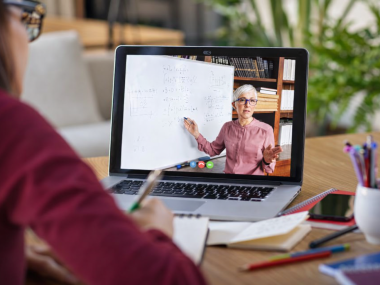
Multimedia is now a necessary because of online learning. Video lectures, interactive modules, animations, and discussion forums are very important features of e-learning platforms. These tools let students learn at their own pace while still getting good instruction.
Multimedia also helps close the gap between in-person and online learning by making it seem like people are interacting and communicating, even when the students and teachers are not in the same room.
Getting ready for work and learning new skills
Multimedia is very important in technical and vocational education since it teaches you how to do things. Students can watch videos, simulations, and virtual labs that demonstrate them how to do things in real life before they do them. This makes things safer, boosts confidence, and lowers the chance of making a mistake.
How multimedia may help with common problems that come up in education
Handling Different Ways of Learning
One of the biggest problems in education is meeting the needs of pupils who study in different ways. Multimedia helps with this by giving you a number of different options to learn what you need to know. Pictures and videos are the best way for visual learners to learn, audio explanations are the best way for auditory learners to learn, and interactive exercises are the best way for hands-on learners to learn.
Helping teachers and making their jobs easier
Multimedia tools can also help teachers because they make it easier for them to do the same things over and over. Teachers may have more time to help and give feedback to students when they use recorded lectures, presentations that may be used again, and digital tests. When teachers use multimedia tools to plan lessons, they can also be more creative, which helps them explain difficult subjects better.
adult and lifelong education programs:https://samojayedu.com/2025/07/11/bristol-plymouth-continuing-adult-education-empowering-lifelong-learners/
Making things easier to find and more welcoming
Multimedia makes it easier for students with disabilities to learn. More people can learn better with subtitles, screen readers, audio descriptions, and interactive content. This makes sure that more children can fully engage in school, no matter what problems they may have with learning or their bodies.
Problems and limitations of using multimedia in schools
There are both good and bad things about using multimedia in school. One big problem is that not everyone can use technology in the same way. Some pupils don’t have good internet or digital gadgets, which can make the gap between those who have and those who don’t even worse.
Some people are also afraid that people rely too much on multimedia. When you use multimedia too much or without a defined goal, it might be more of a distraction than an aid. Teachers need to make sure that multimedia tools are used for a specific reason and fit with what the class is trying to teach.
Teachers also need to learn the right stuff. If teachers don’t know how to use digital tools well, they may have problems using multimedia in their classes.
How to Use Multimedia the Right Way
To get the most out of multimedia in the classroom, teachers should accomplish the following:
- Make sure the multimedia tools you utilize are suited for the subject you’re studying.
- Make sure the content is easy to understand, useful, and appropriate for the age group.
- Use multimedia combined with more traditional ways of teaching.
- Ask the pupils to chat to each other and give each other feedback.
- Check out multimedia items from time to time to assess how useful they are.
Multimedia may help kids learn without making them or their teachers feel stressed out when handled correctly.
What will happen to multimedia in classrooms in the future?
Multimedia will be much more important in education as technology gets better. Virtual reality, augmented reality, and artificial intelligence are just a few examples of new technologies that are already changing the way students learn and use information.
Learning will probably be more personalized, interactive, and immersive in the future. Multimedia will still be a key element of this change, helping teachers stay up with how students’ needs are changing in a digital world.
more on education support systems:https://samojayedu.com/2026/02/09/chilton-county-board-of-education-programs-schools-policies-and-student-resources-explained/
(FAQs)
What is multimedia in education?
Multimedia in education refers to the use of multiple forms of media such as text, images, audio, video, animations, and interactive tools to enhance teaching and learning experiences.
How does multimedia improve learning outcomes?
Multimedia improves learning outcomes by increasing student engagement, supporting different learning styles, and making complex concepts easier to understand and remember.
What are examples of multimedia tools used in education?
Common multimedia tools include video lectures, interactive presentations, educational animations, podcasts, simulations, digital whiteboards, and e-learning platforms.
Are there disadvantages of using multimedia in education?
Yes. Challenges include limited access to technology, potential distractions, and the need for proper teacher training. Effective planning helps reduce these issues.
Can multimedia replace traditional teaching methods?
No. Multimedia is best used as a support tool, not a replacement. When combined with effective teaching strategies, it enhances learning rather than replacing instructors.
Why is multimedia important for modern education?
Multimedia aligns with how today’s learners consume information, making education more engaging, inclusive, and adaptable to digital environments.
Conclusion
Multimedia has a big effect on education and can be used in many different ways. Multimedia makes things easier to comprehend, gets more people engaged, helps different types of learners, and gets rid of a lot of the problems that come up with traditional teaching methods. It doesn’t take the place of good instruction, but it is a terrific addition that can help students learn better when utilized correctly.
As education changes, it will be vital to employ multimedia in a careful and responsible way to make learning spaces that are fun, inclusive, and useful.
Do you work in a school as a teacher, student, or administrator and want to use technology to help your students learn?
Visit SamojayEdu.com to learn more about the connection between technology and education. There, you’ll find useful tips that will help you learn, teach, and get wiser in the digital era.
SamojayEdu is a platform for education and tech that intends to help students, instructors, and people who want to learn for the rest of their lives by giving them useful suggestions, research-based information, and digital learning resources. We wish to help individuals grasp difficult subjects better and give them educational material that is easy to understand and trustworthy.


 Oguche



1 comment
Groundbreaking analysis! The way Dinosaur Game redefines casual gaming is impressive.