 Oguche
New to fingerboarding? This beginner’s guide shows how to use Tech Decks, learn basic tricks fast, and improve finger control with simple practice tips
Fingerboarding may look like a small hobby, but don’t let the size fool you. This miniature version of skateboarding has grown into a global culture with competitions, custom setups, and dedicated fans of all ages.
If you’ve ever picked up a Tech Deck and wondered how people land clean tricks or build smooth combos, this guide is for you.
Whether you’re a total beginner or someone struggling to move past basic moves, this article will walk you through everything you need to know from holding your board correctly to mastering your first real tricks.
What Is Fingerboarding and Why Is It So Popular?
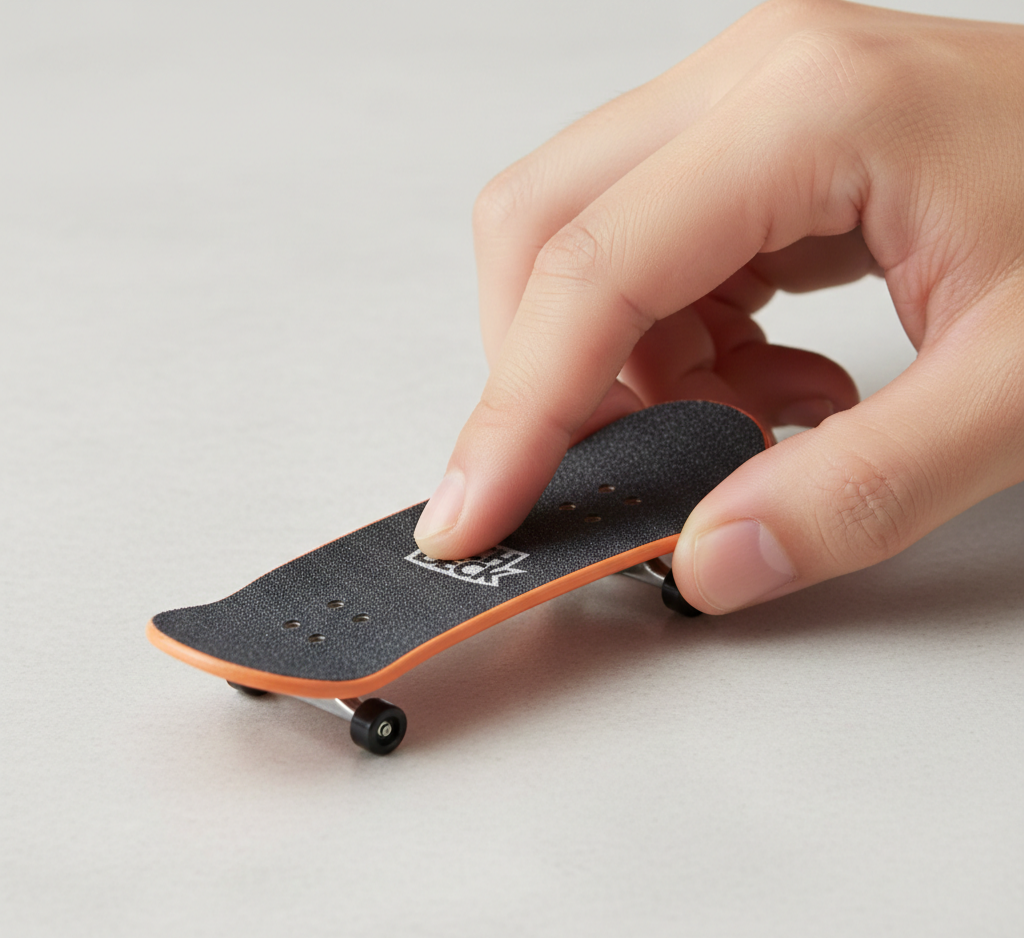
Fingerboarding is the art of performing skateboard tricks using a small replica skateboard controlled with your fingers, usually your index and middle fingers.
Brands like Tech Deck made fingerboarding mainstream by offering affordable, well designed boards that mimic real skateboards.
The popularity of fingerboarding comes from its accessibility. You don’t need a skate park, expensive gear, or perfect weather. You can practice on a desk, table, or even a book. For many people, fingerboarding is more than a toy it’s a skill based hobby that improves focus, patience, and hand coordination.
Another reason fingerboarding is so popular is its connection to skate culture. Many real skateboarding tricks translate directly into fingerboarding, making it appealing to skateboard fans who want to practice creatively indoors.
Choosing the Right Tech Deck for Beginners
One of the biggest mistakes beginners make is assuming all fingerboards are the same. While almost any Tech Deck can get you started, choosing the right setup makes learning much easier.
For beginners, a standard Tech Deck with pre-installed trucks and grip tape is perfect. You don’t need custom parts at the start. Focus on comfort and control. Most Tech Decks come in widths between 29mm and 34mm. If your fingers feel cramped, try a slightly wider board.
Pay attention to grip tape quality. A good grip helps your fingers stay in place when popping tricks. Also, check that the trucks are not too tight or too loose. Slightly loose trucks allow smoother turns and better control once you begin learning tricks.
Many parents now see fingerboarding as one of the educational activities for young learners that builds creativity and motor skills:https://samojayedu.com/arkansas-parents-involved-in-education-empowering-families-to-support-student-success/
How to Hold and Control Your Fingerboard Properly
Before learning tricks, you need to master the basics of control. Place your index finger near the middle of the board and your middle finger on the tail, just like your feet would be positioned on a real skateboard.
Avoid pressing too hard.
Fingerboarding works best with light, controlled movements. Beginners often struggle because they try to force tricks instead of letting the board move naturally. Practice rolling your board forward and backward smoothly across a flat surface.
Spend time learning balance. Try stopping the board gently, turning corners, and maintaining straight lines. These basic movements may seem boring, but they build muscle memory that will help you later with tricks.
Mastering the Ollie: The Foundation of All Tricks
The ollie is the most important trick in fingerboarding. Almost every advanced move builds on it, so mastering the ollie is essential.
To perform an ollie, press down on the tail with your middle finger while sliding your index finger forward slightly. The goal is to lift the board into the air without flipping it. Many beginners accidentally kick the board too hard, causing uncontrolled spins.
Start slow. Practice popping the board just a few centimeters off the surface. Focus on landing cleanly with both fingers back on the board. Once you can ollie consistently, you’ll notice other tricks become much easier to learn.
Learning Beginner Tricks After the Ollie
After mastering the ollie, it’s time to explore beginner-friendly tricks that build confidence and control. The kickflip is usually the next step. This trick involves flicking the edge of the board with your index finger while popping the tail. The key is timing too much flick and the board spins out of control, too little and it won’t flip.
Another great beginner trick is the pop shove it. Instead of flipping the board, you spin it horizontally by scooping the tail slightly. This trick teaches board rotation control and is easier than it looks.
Don’t rush. Focus on consistency rather than speed. Landing a trick cleanly five times in a row is more valuable than landing it once by accident.
Common Beginner Problems and How to Fix Them
Many beginners get frustrated and quit too early. One common problem is lack of control. This usually comes from gripping the board too tightly. Relax your fingers and let the board move naturally.
Another issue is practicing on poor surfaces. Uneven or slippery surfaces make learning much harder. A wooden desk, smooth table, or fingerboard mat provides better grip and consistency.
Some beginners also compare themselves to advanced fingerboarders online. Remember, everyone starts somewhere.
Progress takes time, and even skilled fingerboarders spent months mastering basic tricks.
Building a Simple Practice Routine That Works
Practicing randomly won’t get you far. A simple routine can dramatically improve your skills. Start with five minutes of basic movement and ollies. Then spend ten minutes focusing on one trick only, such as kickflips.
End your session by practicing combinations, even simple ones like ollie to manual. Short, focused sessions are better than long, unfocused practice. Even 15 minutes a day can lead to noticeable improvement over time.
Consistency is more important than intensity. Fingerboarding rewards patience and repetition.
Fingerboarding is more than a hobby it helps with developing focus and coordination skills that support overall learning:https://samojayedu.com/2025/01/24/academy-for-educational-and-innovative-development-a-pathway-to-the-future-of-learning/
Fingerboarding Parks and DIY Obstacles
Once you’re comfortable with flat ground tricks, obstacles add a new level of fun. Rails, ledges, and ramps help you learn balance and precision. You don’t need expensive gear to start. Books, rulers, and small boxes can be used as DIY obstacles.
As you improve, you may want to invest in a fingerboard park. These setups simulate real skate parks and help you develop advanced skills. Obstacles also keep practice interesting and prevent boredom.
Is Fingerboarding Just a Toy or a Real Skill?
This is a common question, especially from beginners. Fingerboarding is absolutely a real skill. It requires coordination, timing, creativity, and practice. Many competitions and online communities take fingerboarding seriously, showcasing impressive technical ability.
Beyond tricks, fingerboarding can improve hand-eye coordination and focus. For some people, it even serves as stress relief or a creative outlet. Whether you treat it casually or competitively, the skill you develop is real.
(FAQ)
What is fingerboarding?
Fingerboarding is a miniature version of skateboarding where you use your fingers to perform tricks on a small board known as a Tech Deck.
Are Tech Decks good for beginners
Yes. Tech Decks are designed for beginners and advanced users, making them ideal for learning basic fingerboarding techniques and tricks.
How long does it take to learn fingerboarding tricks?
Beginners can learn simple tricks like ollies and kickflips within a few days to weeks, depending on practice and consistency.
Do I need special equipment to start fingerboarding?
No special equipment is required to begin. A basic Tech Deck fingerboard and a flat surface are enough to get started.
Is fingerboarding just for kids?
Not at all. Fingerboarding is enjoyed by people of all ages and is often used to improve coordination, focus, and creativity.
Conclusion
Fingerboarding is one of those hobbies where small progress feels incredibly rewarding. With a Tech Deck, a flat surface, and the right mindset, anyone can learn. Focus on fundamentals, practice consistently, and enjoy the process instead of chasing perfection.
Remember, every skilled fingerboarder you admire once struggled with their first ollie. Stay patient, stay curious, and most importantly have fun.
Ready to level up your fingerboarding skills?
Start practicing today, share this guide with a friend, and explore more beginner friendly learning guides on samojayedu.com to build skills that grow with you.
Samojayedu is the creator of samojayedu.com, a tech and educational blog dedicated to simplifying learning, skills development, and beginner-friendly guides across education, tech, and hobbies. With a passion for practical knowledge and clear explanations.


 Oguche





1 comment
Well-written piece! Speaking of mobile games, Subway Surfers is changing how we view mobile entertainment.